This post is all about how to use a planner.
Using a planner is one thing I absolutely swear by for time management, tracking due dates, and staying on track with my long-term goals. But if you haven’t already built a planner habit, it can be a learning curve! You need to know how to use a planner effectively.
If you find that you can never stick with using a personal planner long enough to actually reap the benefits of it, this post is for you.
Starting new habits takes time and patience but can be so worth it if you stick with it! So, if I was a non-planner user starting my planner habit from scratch, these are the exact steps I would take to build a long-lasting planner routine.
This post may contain affiliate links, which means I’ll earn a commission if you purchase through my link, at no extra cost to you. Our full disclosure policy is pretty boring, but you can read it here.
How do you use a planner for beginners?
Beyond just building a consistent routine, you also need to learn how to organize your planner in the way that works best for you.
Do you use a physical or digital one? Do you have to fill out every single page to be successful? What do you write in the monthly overview, vs the weekly overview, vs the daily pages?
The main point I want you to take from this post is that there’s no 100% right way to do it. You just have to build a routine that works for YOU and organize your planner in a way that makes sense to your brain!
If you want a more detailed guide on how to organize your planner and what planners to choose from, I have tons of guides on this blog to help you learn how to set up your planner as a beginner:
- How to Organize a Planner
- College Planner Organization Tips
- Best Planners for College
- Best Planners for Time Blocking
- Guide to Time Blocking

HOW TO USE A PLANNER:
1. Find one you’re actually excited to use
You’ll never stick with a habit you’re dreading, so a good first step to learning how to use a planner is to get excited about the process. Take your time searching for one you’re actually excited to use!
My personal favorite is The Dailee. As an avid planner user for many years, I’ve used SO many different planners ranging from dollar store planners to expensive planners, but The Dailee is the first one that I have fallen so in love with that I repurchase it every single year (going on my 4th year with it!) because they truly have thought of everything.
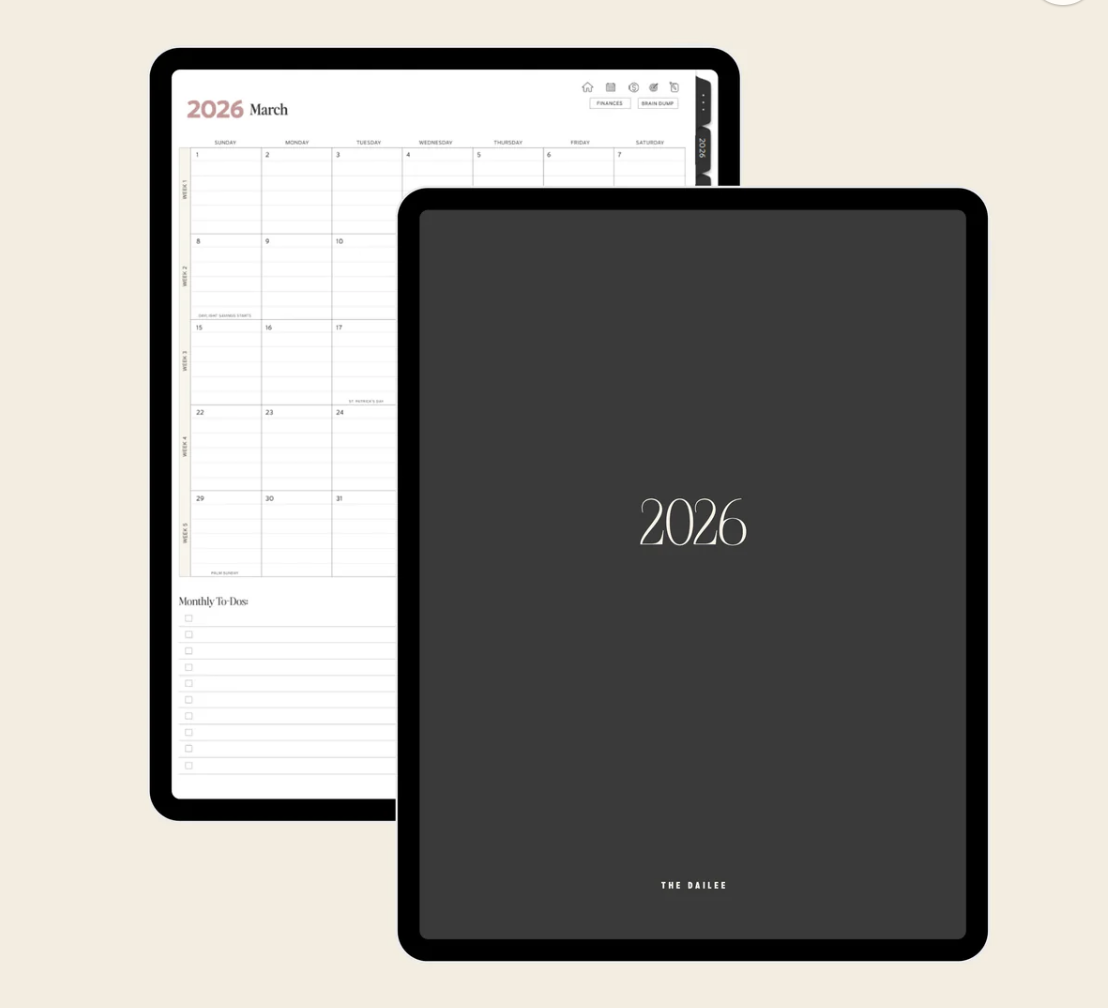
You don’t necessarily need to use every single page in a planner to make it successful! But it’s better to find something that has EVERYTHING you need and then skip the pages that don’t matter as much to you.
2. Ease into it
The truth is that using a planner effectively requires consistency and it can be tedious, especially if you’re not used to keeping that routine.
Instead of promising yourself you’re going to spend time writing in your planner every morning, start with doing a monthly or weekly overview. Plan out your week/month and get into the habit of checking your plan and updating it whenever you can.
Once you get used to using the weekly and monthly overview, you can work your way up to using your planner daily. This is a gentler approach to building a planner habit and will prevent you from using it every day for a week just to get burnt out and forget about it altogether.
3. Make time for it
Once you have your routine down a little more, you need to get into the habit of actually making time for your planner. Figure out the best time in your daily life to write out your to-do list, appointments, time blocking, or whatever else you use your planner for.
For some people, the best time might be first thing in the morning before they start their day.
For others, like myself, you might not be a morning person. In this case, you may prefer to fill out your planner each evening so that in the morning you can just glance at your plan or to-do list and get started.
4. Have monthly, weekly, and daily check-ins
Once you’ve gotten used to your planner routine and built a bit more of a consistent habit, start having monthly, weekly, and daily check-ins.
- Monthly:
- Weekly:
- Daily:
5. Set it up in a way that makes sense to YOU
Your routine doesn’t need to be aesthetic or perfect. Just set it up in a way that makes sense to YOU!
Find it helpful to color code? Go for it.
Want to habit track? Your weekly overview is the perfect place to do it.
Just want to use your planner for simple to-do lists and to remember appointments? That’s fine, too!
Use your planner in whatever way is going to make you most organized and least stressed. You don’t need to use every single feature it has or make it perfect.
6. Check things off your to-do list
A great way to stay consistent with your planner routine is to check off every achieved to-do. When you finish a task, physically check it off your list. This will make using the planner feel so much more rewarding and exciting.
7. Allow yourself some trial and error
It takes time to figure out how to best incorporate a planner into your life! When you master it, it will become the most powerful tool for productivity and organization. But it takes time to get there.
I tried so many different planners and so many formats of planning my life before I really found what stuck. Even now, I’m always doing some trial and error in different seasons of my life. Sometimes, I use my planner for meal planning and grocery lists; other times, I just wing it. Always keep an open mind to changing your process as needed.
Most importantly, stick with it, and your planner will quickly become something you can’t live without.
This post was all about how to use a planner.