This post is all about how to keep house cool without AC.
If you feel like you’re melting in the sweltering heat and are frantically searching “keep house cool without AC!” you’re not alone because I’ve been there… many, many times!
Most of the homes I’ve lived in throughout my life haven’t had AC, and as someone who dislikes being too hot, I’ve learned how to manage and keep the house as cool as possible without AC.
Currently, I live in a west-facing apartment in an old building that not only lacks air conditioning, but also gets SO MUCH SUN! It basically feels like an oven for at least half the day every day throughout the summer.
Here are my best (tried and true) tips on ways to keep the house cool without AC, plus which popular tips I firmly believe are NOT effective (so you don’t have to waste your time and money trying everything).
This post may contain affiliate links, which means I’ll earn a commission if you purchase through my link, at no extra cost to you. Our full disclosure policy is pretty boring, but you can read it here.
The truth about a house with no air conditioning
To be honest with you upfront, none of these methods of keeping the house cool without AC will significantly decrease the temperature of your home. I’ve learned that there’s really no way to effectively do that without having actual air conditioning.
However, these methods will certainly help make your home feel a little cooler in the summer months and help you more comfortably get through the hotter days without an AC unit.

The best open window strategy
The best open window strategy for keeping the house cool without AC is to open windows on opposite sides of the house when possible. This creates a cross breeze that pulls in cooler air rather than keeping the hot air contained.
If you don’t have windows on opposite sides of the house (for example, I live in an apartment with windows only on one side), you can somewhat achieve the same effect by positioning fans at different spots around the house with the windows open to help draw in the cooler air and push out hotter air.
When to open windows
I’ve found that it’s most effective to keep windows closed during the day unless there’s a noticeable breeze or it’s windy. Monitor your indoor temperature and once the outdoor temperature is the same or lower than the temperature inside your house, open your windows to let the cooler air in.
Usually, that will be in the evening or at night time and then you’d close them again in the morning when it gets hot or sunny!
Blackout curtains

Blackout curtains make a huge difference in hot weather. It can be a bummer to block all that beautiful natural light, but blackout curtains can be especially helpful in your bedroom so that it doesn’t get quite as hot in your bedroom during the day and hopefully stays cooler for nighttime.
Window reflector

If you find that you get lots of sun that heats up your home, you can also buy window reflectors (here’s the one I have). You simply cut it to the size of your window and stick it up with the reflective side out. This helps repel the direct sunlight that would otherwise bake your home!
This one also comes with velcro strips that you can stick to it to pin it back for the times when you don’t want your window to be fully blacked out all day.
I just bought this window reflector last summer and definitely noticed a difference in how hot my room would get! I actually use this reflector with blackout curtains on top and it definitely helps keep out the extreme heat during the sunniest times of the day.


How to position your fans
Types of fans


A box fan is one of the most effective types of fans since it covers a larger area, but you can also use tower fans or oscillating fans. At the end of the day, any fan is better than none!
Creating a cross breeze or better airflow
To create a cross breeze or improve airflow, position one fan out the window to blow out the hot air that has been trapped inside. Then, position another fan by another window facing away from the window to draw cool air in.
Box fans work the best for this, but you can also use a tower fan if you have that on hand instead. I’ve linked both here!
When it’s cooler outside than inside
When it’s cooler outside than inside, place a fan facing outwards to get rid of the hot air inside. You can also do this by an open door, like if you have a balcony or porch door!
For general circulation
If you’re okay with the temperature but just want to generally improve circulation of the air in your house, position a fan toward an opposite wall so it pushes air around the room. Oscillating fans are also great for this as they’ll help move the air around even more!
Ceiling fan direction
If you have a ceiling fans, set them to run counterclockwise in the summer months so that they push down cool air rather than warm air.
Limit electricity use
Electricity use also surprisingly impacts the heat of your home! Try to use your stove and oven less in the summer months and opt for cold food when possible, because the oven will actually increase the temperature of your home… especially if you live in a smaller home or apartment!
Incandescent bulbs are also a huge culprit for emitting more heat, so opt to keep the lights off during the summer and rely on natural light if you can, or find bulbs that don’t get as hot. This is such a small swap to make, but it really does make a difference that you sometimes don’t even realize.
Personal cold packs and neck fans

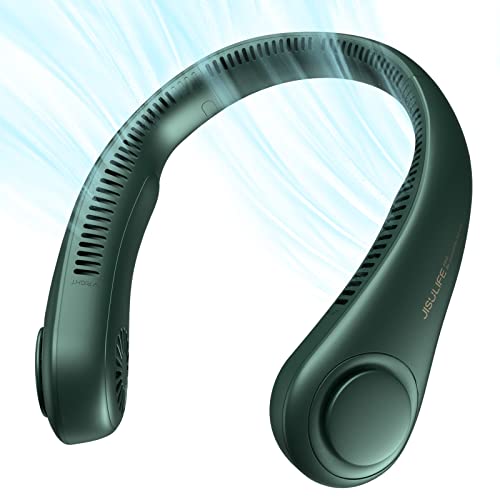
To keep yourself cool, it’s always a good idea to have ice packs on hand or even a neck fan.
Cold packs can be kept in the freezer, and whenever you’re feeling hot, you can wrap it in a towel and place it on your neck or forehead to cool down.
Neck fans are also a great option because you can just hang one like this around your neck (kind of like wearing headphones around your neck) and it’ll blow air onto your neck to help keep your body temperature more comfortable.
What to do about heat with humidity
Many people suggest methods like keeping wet towels by open windows or in front of a fan to help cool down the air that’s coming in, but it’s important to be mindful that if you’re also living in a humid climate, this might actually make the air in your home feel thicker and worsen the humidity.
Drink cold water
It might sound obvious, but just in case you didn’t think of it 😉 cool water is so refreshing on a hot summer day, so I keep a couple jugs of water in the fridge at all times during the summer so that I always have some on hand!
The methods that don’t work (in my opinion)
Making a DIY air conditioner
Lots of people recommend putting ice in a bowl in front of a fan to cool off the air it’s blowing out. If you want to try it, go for it! I’ve just personally found that it’s more hassle than it’s worth and isn’t actually super effective.
Using wet/cold towels by your bed
I’ve also seen people recommend keeping wet/cold towels by your bed to cool off the air around you (or so you can use them on your skin). I find that in the hot weather, they just don’t stay cool very long, and if your summers are humid (which is what I’m dealing with) then the extra moisture in the air may only make it feel worse!